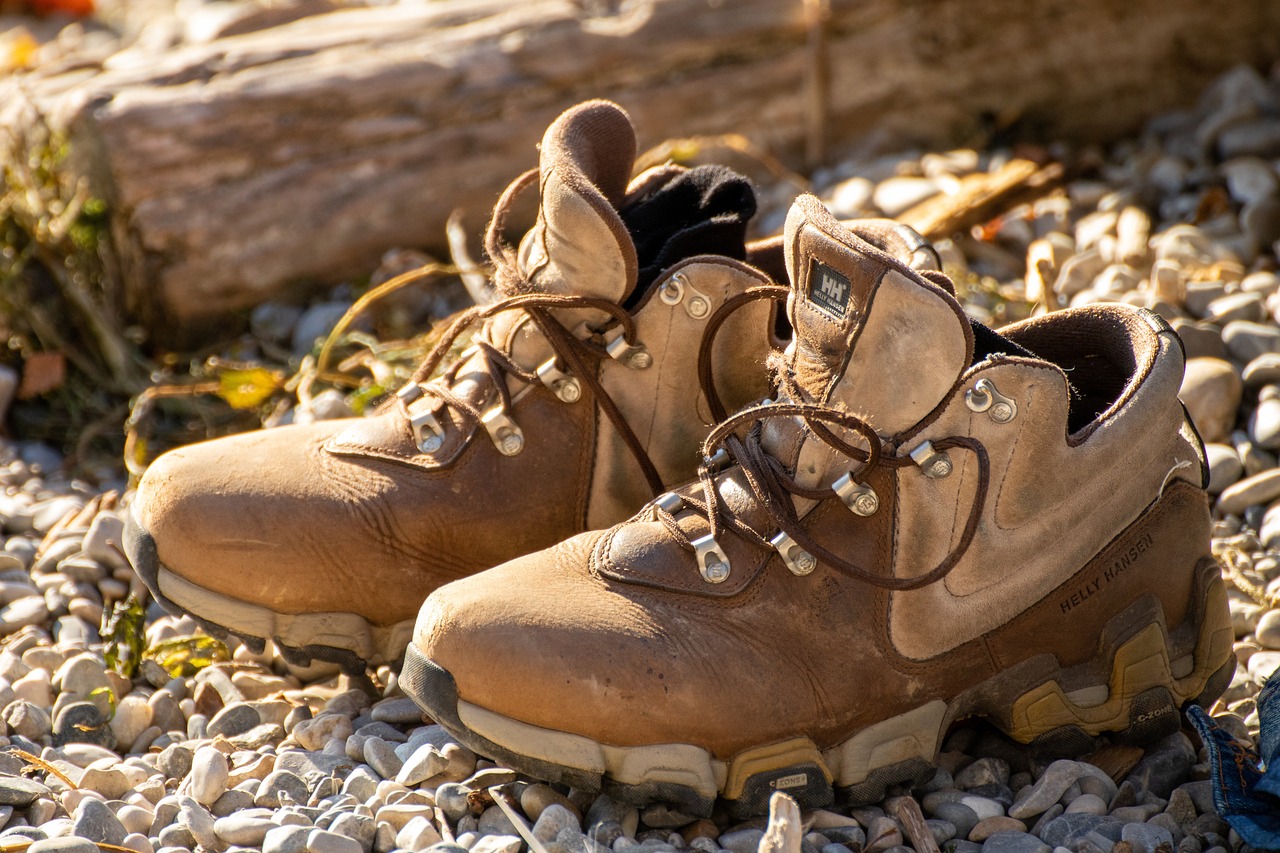

Leather work boots are a staple for many people who work in industries like construction, manufacturing, and agriculture. These boots provide comfort, protection, and durability in tough work environments. However, after a while, these boots can get dirty, scuffed, and worn out. Cleaning and maintaining your leather work boots can help extend their lifespan and keep them looking and feeling great.
Properly cleaning leather work boots requires a bit of know-how, but it doesn’t have to be complicated. The first step is to remove any loose dirt or debris from the boots. This can be done by tapping the boots together or using a soft brush. Once the loose dirt is removed, a damp cloth can be used to wipe down the boots. Pay attention to the seams, crevices, and the tongue of the boot, as these areas can collect dirt and grime.
Understanding Leather Types
When it comes to cleaning leather work boots, it’s important to understand the different types of leather. The type of leather used for the boots will determine the best cleaning method.
Here are some common types of leather used for work boots:
Full-Grain Leather
Full-grain leather is made from the top layer of the hide and is the most durable type of leather. It has a natural grain pattern and is resistant to water and stains. Full-grain leather boots require minimal maintenance and can be cleaned with a damp cloth.
Top-Grain Leather
Top-grain leather is the second highest quality of leather and is made by sanding off the top layer of the hide. It is more affordable than full-grain leather but is still durable and has a smooth surface. Top-grain leather boots can be cleaned with a leather cleaner and conditioner.
Split-Grain Leather
Split-grain leather is made from the bottom layer of the hide and is less durable than full-grain and top-grain leather. It is also more affordable. Split-grain leather boots are prone to water damage and require regular cleaning and conditioning.
Suede Leather
Suede leather is made from the inner layer of the hide and has a soft, fuzzy texture. It is not as durable as full-grain or top-grain leather and is prone to water damage and staining. Suede leather boots require special care and should be cleaned with a suede brush and protector.
Understanding the type of leather used for work boots is crucial for maintaining their longevity and appearance. By using the appropriate cleaning method for each type of leather, you can ensure that your boots remain in good condition for years to come.
Preparation for Cleaning
Cleaning leather work boots requires some preparation to ensure that the process goes smoothly. Here are some steps to take before cleaning your leather work boots:
Step 1: Remove the Laces
Before cleaning your leather work boots, remove the laces. This will make it easier to clean the boots thoroughly. If the laces are dirty, you can wash them separately or replace them with new ones.
Step 2: Remove Excess Dirt
Use a soft-bristled brush or a dry cloth to remove any loose dirt or debris from the boots. Be gentle to avoid scratching the leather surface.
Step 3: Test the Cleaning Solution
It’s important to test the cleaning solution on a small, inconspicuous area of the boots before applying it to the entire surface. This will help you determine if the solution is safe for your boots and prevent any damage or discoloration.
Step 4: Gather Cleaning Supplies
Gather all the necessary cleaning supplies before starting the cleaning process. This includes a soft-bristled brush, a cleaning solution, a dry cloth, and a conditioner. It’s important to use a cleaning solution that is specifically designed for leather to avoid damaging the material.
By following these preparation steps, you can ensure that your leather work boots are ready for cleaning and that the cleaning process goes smoothly.
Basic Cleaning Steps
When it comes to cleaning leather work boots, there are two basic steps that should be followed: removing dirt and debris, and applying a leather cleaner. By following these steps, you can help ensure that your boots stay in good condition and last for years to come.
Removing Dirt and Debris
The first step in cleaning leather work boots is to remove any dirt and debris that has accumulated on the surface of the boots. This can be done by using a soft-bristled brush to gently brush the surface of the boots in circular motions, starting from the toe and working your way up to the heel. This will help to loosen and remove any dirt and debris that has become stuck to the surface of the boots.
Once the dirt and debris have been removed, it is important to wipe the boots down with a damp cloth to remove any remaining dirt or dust. This will help to ensure that the leather is clean and ready for the next step in the cleaning process.
Applying Leather Cleaner
After the boots have been cleaned of dirt and debris, the next step is to apply a leather cleaner. There are many different types of leather cleaners available on the market, so it is important to choose one that is specifically designed for use on leather work boots.
To apply the leather cleaner, simply follow the instructions on the product label. In general, leather cleaner should be applied to a soft cloth and then rubbed into the surface of the boots in circular motions. Once the cleaner has been applied, it is important to allow the boots to dry completely before wearing them again.
By following these basic cleaning steps, you can help ensure that your leather work boots stay in good condition and last for years to come.
Conditioning Leather Boots
Leather boots are a great investment that needs proper care to maintain their quality and longevity. Conditioning is an essential part of leather care that helps to replenish the natural oils that keep the leather soft and supple. In this section, we will discuss how to choose and apply a suitable leather conditioner.
Choosing a Leather Conditioner
When choosing a leather conditioner, it is crucial to select a product that matches the type of leather and the desired finish. There are several types of leather conditioners available, such as oil-based, wax-based, and water-based. Each type has its unique properties that make it suitable for specific leather types and finishes.
Oil-based conditioners are ideal for smooth leather boots as they penetrate deep into the leather fibers and restore the natural oils. Wax-based conditioners are suitable for roughout and suede leather boots as they provide a protective layer that repels water and stains. Water-based conditioners are suitable for all leather types and finishes as they are non-greasy and easy to apply.
Applying the Conditioner
Before applying the conditioner, it is essential to clean the boots thoroughly to remove any dirt and debris. Once the boots are clean and dry, apply a small amount of conditioner to a soft cloth and rub it gently into the leather in a circular motion. Pay special attention to the areas that are prone to cracking, such as the toe box and the heel.
After applying the conditioner, allow it to dry for a few hours before buffing the boots with a soft cloth to remove any excess residue. It is recommended to condition leather boots at least once a month to maintain their quality and durability.
In conclusion, conditioning leather boots is an essential part of leather care that helps to maintain their quality and longevity. By choosing a suitable leather conditioner and applying it correctly, you can ensure that your leather boots remain soft, supple, and protected from the elements.
Drying and Storage Tips
Proper Drying Techniques
After cleaning your leather work boots, it is crucial to dry them properly to avoid any damage to the leather. Artificial heat sources such as hair dryers and radiators can cause the leather to warp, crack, and lose its shape. Therefore, it is recommended to dry them naturally at room temperature.
To speed up the drying process, you can stuff your boots with newspaper or a clean, dry cloth. This will help absorb any moisture and maintain the shape of the boots. Once the boots are dry to the touch, remove the stuffing and allow them to air dry completely.
Storing Leather Boots
Proper storage is as crucial as cleaning and drying your leather work boots. To avoid any damage to the leather, it is recommended to store them in a cool, dry place away from direct sunlight. Exposure to sunlight can cause the leather to fade and lose its color.
When storing your boots, it is essential to maintain their shape. You can use boot trees or stuff them with newspaper to help them keep their shape. Avoid stacking them on top of each other or folding them, as this can cause creases and damage the leather.
In summary, proper drying and storage techniques are crucial to maintain the quality and longevity of your leather work boots. By following these simple tips, you can keep your boots looking great and in good condition for years to come.
Addressing Common Stains
Keeping leather work boots clean can be a challenge, especially when they are exposed to harsh working conditions. Some of the most common stains that can affect leather work boots include oil and grease stains, salt stains, and ink stains. Fortunately, there are several effective ways to address these stains and keep your boots looking their best.
Oil and Grease Stains
Oil and grease stains can be particularly stubborn and difficult to remove from leather work boots. To address these types of stains, it is best to act quickly and avoid rubbing the stain, which can cause it to spread.
One effective method for removing oil and grease stains from leather work boots is to sprinkle a generous amount of cornstarch or talcum powder on the affected area. Allow the powder to sit for several hours or overnight, then brush it off with a soft-bristled brush. Repeat the process if necessary.
Salt Stains
Salt stains are a common problem during the winter months when roads and sidewalks are often salted to melt ice and snow. To address salt stains on leather work boots, it is important to act quickly and avoid using water, which can cause the salt to spread and damage the leather.
One effective method for removing salt stains from leather work boots is to mix equal parts white vinegar and water in a small bowl. Dip a soft cloth in the solution and gently rub the affected area, then wipe it clean with a damp cloth. Repeat the process if necessary.
Ink Stains
Ink stains can be particularly difficult to remove from leather work boots, but there are several methods that can be effective. It is important to act quickly and avoid rubbing the stain, which can cause it to spread.
One effective method for removing ink stains from leather work boots is to apply a small amount of rubbing alcohol to a soft cloth and gently rub the affected area. Wipe the area clean with a damp cloth and repeat the process if necessary. Another method is to apply a small amount of non-gel toothpaste to the stain and gently rub it with a soft cloth, then wipe the area clean with a damp cloth.
Maintaining Leather Boots
Regular Maintenance Routines
To keep leather work boots in good condition, regular maintenance routines are essential. The following are some tips to help maintain leather work boots:
- Wipe boots down after each use: After using leather work boots, wipe them down with a damp cloth to remove any dirt or debris. This will help prevent dirt and grime from building up on the boots.
- Apply leather conditioner: Leather conditioner helps to keep the leather supple and prevents it from drying out or cracking. Apply a small amount of leather conditioner to a soft cloth and rub it into the leather. Allow the conditioner to soak in for a few minutes before wiping away any excess.
- Use a protective spray: A protective spray can help to repel water and prevent stains from setting in. Apply a protective spray to the boots before wearing them in wet conditions.
Weatherproofing Solutions
Leather work boots are often exposed to harsh weather conditions, which can cause damage to the leather. The following are some weatherproofing solutions to help protect leather work boots from the elements:
- Beeswax: Beeswax is a natural wax that can be used to waterproof leather work boots. Apply a small amount of beeswax to a soft cloth and rub it into the leather. Allow the beeswax to soak in for a few minutes before wiping away any excess.
- Silicone spray: Silicone spray is a waterproofing solution that can be applied to leather work boots. Spray a small amount of silicone spray onto the boots and allow it to dry before wearing them in wet conditions.
- Mink oil: Mink oil is a natural oil that can be used to waterproof leather work boots. Apply a small amount of mink oil to a soft cloth and rub it into the leather. Allow the mink oil to soak in for a few minutes before wiping away any excess.
By following these maintenance routines and weatherproofing solutions, leather work boots can stay in good condition for a long time.
Professional Care and Services
While cleaning leather work boots at home can be effective, sometimes it’s best to leave it to the professionals. Professional boot cleaning services are available at many shoe repair shops and can save time and effort. These services typically involve a thorough cleaning and conditioning of the leather, as well as any necessary repairs.
One popular option for professional boot care is Red Wing Shoes. They offer a variety of services, including cleaning, conditioning, and repair. They also sell their own line of leather care products, ensuring that your boots receive the best possible treatment.
Another option is to seek out a local cobbler or shoe repair shop. These professionals have the expertise and tools necessary to clean and repair leather boots effectively. They may also be able to offer advice on how to properly care for your boots at home.
It’s important to note that professional boot cleaning services can be more expensive than cleaning at home. However, the cost may be worth it for those who want to ensure that their boots receive the best possible care and maintenance.
Overall, while cleaning leather work boots at home can be effective, professional care and services can provide an extra level of care and expertise. Whether you choose to clean your boots at home or seek out a professional, proper maintenance is key to ensuring the longevity of your leather work boots.
Frequently Asked Questions
What is the best method to clean leather work boots at home?
The best method to clean leather work boots at home involves using a soft cloth or sponge to apply a cleaning solution to the boots. The solution should be gentle and specifically formulated for leather. Gently scrub the stained areas using circular motions. Avoid using harsh chemicals, as they can damage the leather and cause discoloration.
Can you clean leather work boots using household items, and if so, how?
Yes, it is possible to clean leather work boots using household items. For example, a mixture of vinegar and water can be used to clean the inside of the boots. Baking soda can be used to eliminate odor. However, it is important to be careful when using household items, as some can be too harsh and cause damage to the leather.
How do you eliminate odor from leather work boots effectively?
To eliminate odor from leather work boots effectively, sprinkle baking soda inside the boots and let them sit overnight. The baking soda will absorb the odor. In addition, it is important to allow the boots to air out after each use and avoid wearing them for extended periods of time without a break.
What is the safest way to clean the inside of leather work boots?
The safest way to clean the inside of leather work boots is to use a mild solution of vinegar and water. Spray the solution inside the boots and allow them to dry. This will help eliminate odor and kill bacteria.
What products are recommended for cleaning leather work boots without causing damage?
Products that are specifically formulated for leather are recommended for cleaning leather work boots without causing damage. These products are gentle and will not cause discoloration or damage to the leather. It is important to avoid using harsh chemicals or abrasive materials, as these can cause damage to the leather.
Is it safe to use water for cleaning leather boots, and what precautions should be taken?
It is safe to use water for cleaning leather boots, but precautions should be taken to avoid over-saturating the leather. Use a damp cloth or sponge to apply the water and avoid soaking the boots. After cleaning, allow the boots to air dry thoroughly before wearing them again.
Leave a Reply