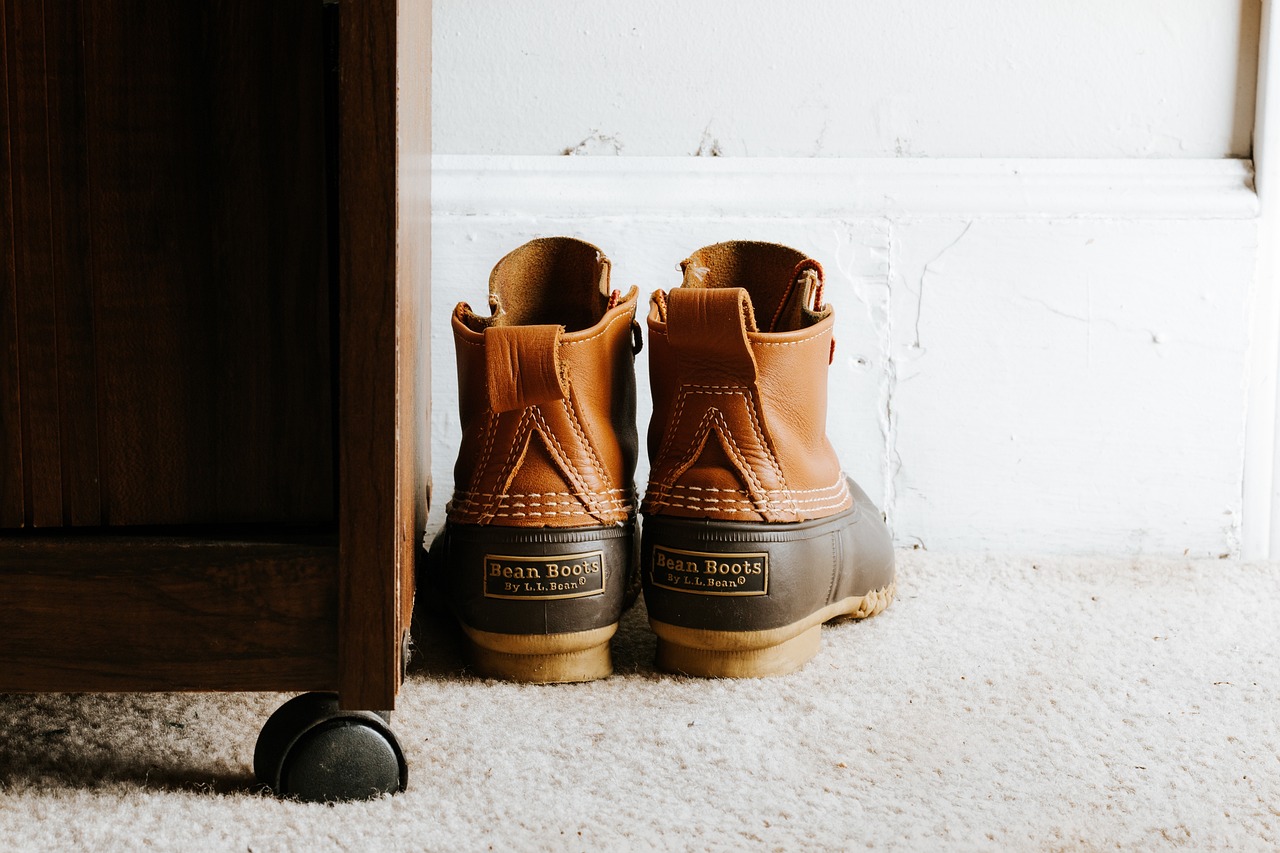

Breaking in new work boots can be a challenging task, especially if you need to wear them for extended periods. Unbroken work boots can cause blisters, soreness, and discomfort, making it hard for you to focus on your work. The process of breaking in work boots can take time, but it is worth the effort as it can help you avoid these issues.
There are several approaches to breaking in work boots. Some people prefer to wear them for short periods each day, gradually increasing the time they spend in them. Others use stretching techniques or special products to help soften the leather and make the boots more comfortable. By using the right method for your boots and feet, you can make the process of breaking them in more manageable and less painful.
Ultimately, breaking in work boots is a personal process that depends on your individual needs and preferences. With the right approach and mindset, you can make the process more comfortable and enjoyable, ensuring that your work boots fit like a glove and provide the support and protection you need for your job.
Understanding Work Boots
Work boots are a type of footwear designed to provide protection and comfort to individuals who work in industries that require them to spend a lot of time on their feet. They are usually made of durable materials such as leather, rubber, and synthetic fabrics.
One of the main features of work boots is their sturdy construction. They are designed to withstand the wear and tear of daily use and provide support to the feet, ankles, and legs. This is particularly important for individuals who work in industries such as construction, manufacturing, and agriculture, where the risk of injury is high.
Work boots come in a variety of styles and designs, each with its own set of features and benefits. Some of the most common types of work boots include steel-toed boots, waterproof boots, and insulated boots. Steel-toed boots, for example, are designed to protect the toes from heavy objects that may fall on them, while waterproof boots are designed to keep the feet dry in wet conditions.
When choosing work boots, it is important to consider factors such as the type of work being performed, the environment in which the boots will be worn, and the level of protection and comfort required. It is also important to ensure that the boots fit properly, as ill-fitting boots can cause discomfort and even lead to injury over time.
Preparation for Breaking In
Before breaking in work boots, it is important to take some preparatory steps to ensure a comfortable and successful break-in process. This section will outline some of the key steps to take before starting to break in work boots.
Choose the Right Size
One of the most important factors in breaking in work boots is ensuring that they are the right size. Ill-fitting boots can cause discomfort, blisters, and other foot-related problems. When purchasing work boots, it is important to try them on with the socks that will be worn while working. This will ensure the most accurate fit and prevent any surprises during the break-in process.
Condition the Leather
Leather is a natural material that can become stiff over time. Conditioning the leather before breaking in work boots can help to soften the material and make it more pliable. There are many leather conditioners available on the market, and it is important to choose one that is appropriate for the type of leather used in the boots.
Wear Them Around the House
Before wearing work boots on the job, it is a good idea to wear them around the house for a few days. This will allow the boots to conform to the shape of the foot and begin to soften. It is important to wear the socks that will be worn while working during this process to ensure an accurate fit.
Gradually Increase Wear Time
When starting to wear work boots on the job, it is important to gradually increase the amount of time they are worn each day. This will allow the feet to adjust to the new boots and prevent discomfort and blisters. It is also important to take breaks throughout the day to allow the feet to rest and prevent fatigue.
By taking these preparatory steps, the break-in process for work boots can be made more comfortable and successful.
Breaking In Techniques
When it comes to breaking in work boots, there are several techniques that can be used to make the process more comfortable. Here are some of the most effective methods:
Wear Them Gradually
One of the most common techniques for breaking in work boots is to wear them gradually. This means that you should wear them for short periods of time at first, gradually increasing the amount of time that you wear them each day. This will allow your feet to adjust to the boots and prevent blisters and other discomfort.
Use a Boot Stretcher
If your work boots are too tight, you can use a boot stretcher to help break them in. A boot stretcher is a device that can be inserted into the boot to stretch it out. This can be particularly useful if you have wide feet or if your boots are made from a stiff material.
Apply Leather Conditioner
Leather conditioner can be used to soften the leather on your work boots, making them more comfortable to wear. To apply leather conditioner, simply rub a small amount onto the surface of the boots and allow it to soak in. This can be repeated several times until the leather becomes soft and supple.
Try the Freezing Method
The freezing method involves filling a plastic bag with water and placing it inside your work boots. The boots are then placed in the freezer overnight. As the water freezes, it expands and stretches the boots. This can be a particularly effective method for breaking in boots that are too tight.
Use a Heat Source
Using a heat source, such as a hair dryer or a heat gun, can help to soften the leather on your work boots, making them easier to break in. Simply apply heat to the boots for a few minutes, focusing on the areas that are particularly stiff or uncomfortable. Be careful not to overheat the boots, as this can damage the leather.
Caring for Work Boots Post Break-In
Once the work boots have been broken in, it is important to continue caring for them to maximize their lifespan. Here are some tips on how to care for work boots post break-in:
1. Clean and Condition Regularly
Dirt and debris can accumulate on work boots over time, which can lead to premature wear and tear. Therefore, it is important to clean them regularly with a soft brush or damp cloth to remove any dirt or debris. After cleaning, apply a conditioner to the leather to keep it supple and prevent cracking.
2. Store Properly
When not in use, work boots should be stored in a cool, dry place away from direct sunlight. This will help prevent the leather from drying out and cracking. It is also a good idea to stuff the boots with newspaper or a shoe tree to help them maintain their shape.
3. Replace Insoles
The insoles of work boots can become worn out over time, which can lead to discomfort and reduced support. Therefore, it is important to replace them regularly to ensure maximum comfort and support.
4. Resole When Necessary
The soles of work boots can also become worn out over time, especially if they are used frequently. When this happens, it is important to have them resoled by a professional cobbler to ensure maximum safety and comfort.
By following these tips, work boots can provide years of reliable service in various work environments.
Troubleshooting Common Issues
Dealing with Blisters
Blisters are a common problem when breaking in new work boots. They can be painful and make it difficult to continue wearing the boots. To prevent blisters, it is important to wear the right socks. Socks that are too thin can cause friction between the boot and foot, leading to blisters. On the other hand, socks that are too thick can cause the foot to slide around in the boot, also causing blisters.
If a blister has already formed, it is important to treat it properly to prevent infection. The blister should be cleaned with soap and water, and then covered with a sterile bandage. If the blister bursts, it should be cleaned with antiseptic and covered with a sterile bandage. It is important to avoid popping blisters, as this can increase the risk of infection.
Managing Tight Spots
Sometimes, work boots can feel tight in certain areas, even after they have been broken in. This can be due to the shape of the foot or the boot. To manage tight spots, it is important to identify where the tightness is occurring. If the tightness is in the toe box, it may be helpful to stretch the leather by using a boot stretcher. If the tightness is in the heel area, it may be helpful to use heel pads or inserts to provide additional cushioning.
Solving Heel Slippage
Heel slippage can be a frustrating problem when breaking in new work boots. It can cause discomfort and make it difficult to walk properly. To solve heel slippage, it is important to ensure that the boots are laced properly. The laces should be tight enough to hold the foot in place, but not so tight that they cause discomfort. It may also be helpful to use heel pads or inserts to provide additional cushioning and support. If the problem persists, it may be necessary to try a different size or style of work boot.
By following these tips, it is possible to troubleshoot common issues when breaking in work boots. With a little patience and persistence, work boots can be broken in properly, providing comfort and protection on the job.
When to Seek Professional Help
Sometimes, despite your best efforts, breaking in work boots can be a difficult and painful process. In some cases, it may be necessary to seek professional help to ensure that your boots fit properly and are comfortable to wear.
Here are some situations where seeking professional help may be necessary:
- Persistent pain: If you experience persistent pain, especially in your feet, it may be a sign that your boots are not fitting properly. A professional cobbler can help you identify the problem and make adjustments to your boots to alleviate pain.
- Unusual wear: If you notice unusual wear patterns on your boots, it may be a sign that they are not fitting properly. A cobbler can help you identify the cause of the wear and make adjustments to your boots to prevent further damage.
- Special needs: If you have special needs, such as flat feet, high arches, or wide feet, it can be difficult to find boots that fit properly. A professional cobbler can help you find boots that are designed to meet your specific needs.
When seeking professional help, it is important to choose a reputable cobbler who has experience working with work boots. Look for a cobbler who is knowledgeable about different types of work boots and who can provide you with personalized advice on how to break in your boots.
Frequently Asked Questions
What methods can I use to break in leather work boots quickly?
There are several methods that can be used to break in leather work boots quickly. One of the most effective ways is to wear them around the house for short periods of time, gradually increasing the amount of time they are worn each day. Another method is to apply a leather conditioner to soften the leather and make it more pliable. Additionally, some people recommend using a boot stretcher to help break in the boots. It is important to note that while these methods can help expedite the breaking-in process, it is still important to allow enough time for the boots to fully break in.
Is there a way to break in new work boots without wearing them?
While wearing new work boots is the most effective way to break them in, there are some methods that can help soften the leather and make them more comfortable to wear. One such method is to apply a leather conditioner to the boots and leave them overnight. Another method is to use a hairdryer to warm up the leather and then walk around in the boots while they are still warm. It is important to note that these methods may not fully break in the boots, and it is still recommended to wear them for extended periods of time to fully break them in.
How long does it typically take to fully break in a pair of work boots?
The amount of time it takes to fully break in a pair of work boots can vary depending on the individual and the boots themselves. Generally, it can take anywhere from a few days to a few weeks to fully break in a new pair of work boots. It is important to be patient during the breaking-in process and not rush it, as this can lead to discomfort and potential damage to the boots.
What are some tips for breaking in work boots overnight?
Breaking in work boots overnight can be a challenging task, but there are some tips that can help. One such tip is to apply a leather conditioner to the boots and then wear them with thick socks overnight. Another tip is to use a boot stretcher to help stretch out the leather while the boots are not being worn. It is important to note that breaking in work boots overnight may not fully break them in, and it is still recommended to wear them for extended periods of time to fully break them in.
Can water be used to expedite the breaking-in process of boots?
While some people recommend using water to expedite the breaking-in process of boots, it is generally not recommended. Water can cause the leather to become stiff and can potentially damage the boots. It is important to follow the manufacturer’s recommendations for breaking in the boots and to avoid using water unless specifically instructed to do so.
How can I prevent my work boots from causing discomfort during the break-in period?
There are several tips that can help prevent work boots from causing discomfort during the break-in period. One such tip is to wear thick socks to help cushion the feet and prevent blisters. Another tip is to use a supportive insole to help provide additional cushioning and support. Additionally, it is important to gradually increase the amount of time the boots are worn each day to allow the feet to adjust to the new footwear.