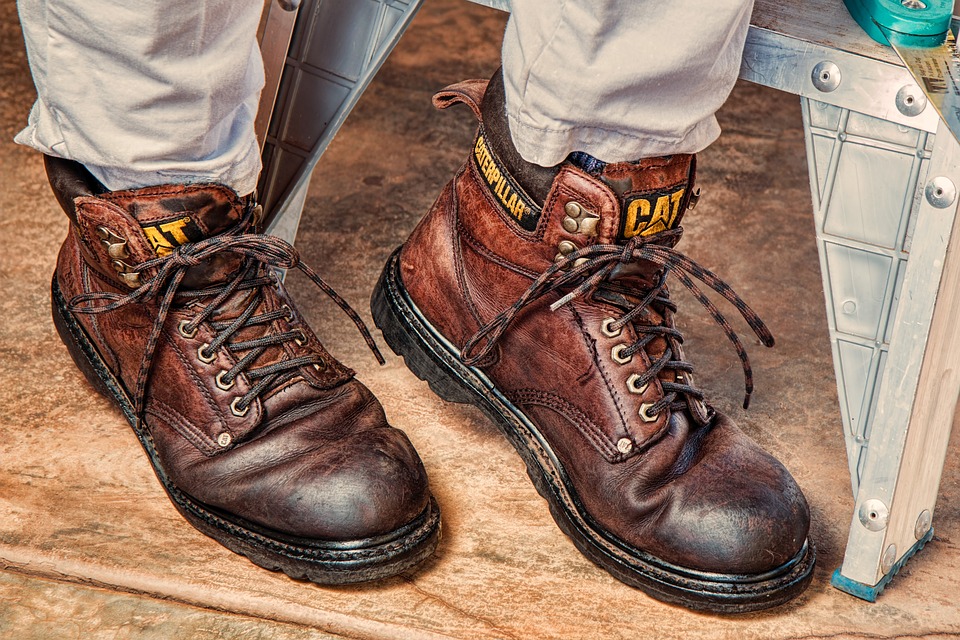
Work boots are a staple for those who work in construction, landscaping, or any other job that requires sturdy and durable footwear. However, after a long day on the job, work boots can become dirty, smelly, and in need of a good wash. Knowing how to properly wash work boots can not only extend their lifespan but also keep them looking and smelling fresh.
When it comes to washing work boots, it’s important to consider the material of the boots. Leather, suede, and synthetic materials all require different cleaning methods. Additionally, it’s important to avoid using harsh chemicals or abrasive materials that can damage the boots. By following the proper cleaning techniques, work boots can be restored to their original condition and continue to provide support and protection on the job.
In this article, we will provide a comprehensive guide on how to properly wash work boots. We will cover the different cleaning methods for various materials, as well as tips and tricks for deodorizing and restoring water resistance. Whether you’re a seasoned construction worker or just starting out in the industry, this guide will provide you with the knowledge and confidence to keep your work boots clean and in top condition.
Understanding Work Boot Materials
Work boots are designed to withstand harsh conditions and provide protection to the feet. They are made of various materials, each with its own set of benefits and drawbacks. Understanding the different materials used in work boots can help you choose the right pair for your needs.
Leather
Leather is one of the most common materials used in work boots. It is durable, water-resistant, and can withstand wear and tear. Full-grain leather is the highest quality leather and is the most durable. Split-grain leather is made from the lower layers of the hide and is less durable than full-grain leather.
Rubber
Rubber is another popular material used in work boots. It is waterproof, slip-resistant, and provides excellent traction. Rubber work boots are often used in wet conditions or when working with chemicals.
Synthetic Materials
Many work boots are made from synthetic materials such as nylon, polyester, and PVC. These materials are lightweight, breathable, and often less expensive than leather or rubber. However, they may not be as durable or water-resistant as leather or rubber.
Steel Toe
Steel toe work boots have a protective steel cap over the toe area. They are designed to protect the feet from falling objects and compression injuries. Steel toe work boots are often required in industrial settings.
Composite Toe
Composite toe work boots have a protective cap made of non-metal materials such as Kevlar, carbon fiber, or plastic. They are lighter than steel toe boots and provide similar protection. Composite toe work boots are often preferred in settings where metal detectors are used.
Understanding the materials used in work boots can help you choose the right pair for your needs. Whether you need a durable leather boot or a lightweight synthetic boot, there is a work boot out there for you.
Pre-Cleaning Preparation
Gathering Necessary Supplies
Before starting the pre-cleaning process, it is essential to gather all the necessary supplies. This will ensure that the cleaning process is smooth and efficient. The following supplies are required for pre-cleaning:
- A soft-bristled brush
- A clean cloth or sponge
- Lukewarm water
- Mild detergent or saddle soap
- Insoles and laces (to be cleaned separately)
Removing Loose Dirt and Debris
The first step in pre-cleaning work boots is to remove any loose dirt and debris. This can be done by gently knocking the boots together or using a soft-bristled brush to remove the dirt. It is important to remove as much dirt as possible before proceeding to the next step. If the boots are extremely dirty, it may be necessary to use a damp cloth or sponge to wipe away the dirt.
Once the loose dirt and debris have been removed, the boots are ready for the next step in the cleaning process. It is important to note that pre-cleaning is essential to ensure that the boots are thoroughly cleaned. Failure to pre-clean the boots may result in the dirt and debris getting trapped in the boots, making it difficult to clean them properly.
Cleaning the Exterior
When it comes to cleaning the exterior of work boots, there are several techniques that can be used. The following subsections will provide a few effective methods for cleaning the exterior of work boots.
Hand Washing Techniques
One of the simplest ways to clean the exterior of work boots is to use a soft cloth or sponge and a cleaning solution. To make a cleaning solution, mix a small amount of mild detergent or saddle soap with warm water. Dampen a soft cloth or sponge with the cleaning solution and wring it out until it’s damp, but not soaking wet. Then, gently scrub the stained or dirty areas on your boots using circular motions. Apply light pressure to work on the stains.
Using a Brush
Another technique for cleaning the exterior of work boots is to use a brush. Start by using a brush to remove loose dirt and debris. A soft nylon brush is ideal for this purpose. Then, use a damp cloth to wipe off remaining dust. Pay special attention to toes, seams, and crevices, like the tongue of the boot. For tough stains, focus on treating specific areas with targeted cleaning solutions.
Applying Soap or Cleaner
For stubborn stains, it may be necessary to use a specialized cleaner or soap designed for work boots. These products are often formulated to remove tough stains and grime without damaging the boots. Simply follow the instructions on the label to apply the cleaner or soap to the affected areas. After applying the cleaner, use a soft cloth or brush to scrub the stains gently. Finally, rinse the boots with water and allow them to air dry.
Overall, there are several effective techniques for cleaning the exterior of work boots. Whether using a soft cloth, brush, or specialized cleaner, it’s important to be gentle and avoid using harsh chemicals that could damage the boots. With a little care and attention, work boots can be kept looking clean and new for years to come.
Interior Cleaning
When it comes to cleaning work boots, it’s important not to forget about the interior. Over time, sweat and bacteria can build up inside the boots, leading to unpleasant odors and potential health hazards. Here are some tips for effectively cleaning the interior of work boots.
Removing Odors
One of the most common issues with work boots is unpleasant odors. To remove odors from the interior of your boots, start by removing the insoles and washing them separately. You can hand wash them with mild soap and water, or place them in a washing machine on a gentle cycle.
Next, use a solution of water and white vinegar to disinfect and eliminate bacteria from the inside of the boots. Scrub the inside with a soft brush or cloth, paying special attention to any areas that are particularly odorous. Allow the boots to air dry completely before replacing the insoles.
Dealing with Moisture
Moisture can also be a problem when it comes to work boots. If your boots are wet, remove any excess moisture with a towel and allow them to air dry completely before wearing them again. To prevent moisture buildup in the first place, consider using moisture-wicking insoles or socks.
Another option is to use a boot dryer, which can help remove moisture from the inside of the boots and prevent odors from developing. Just be sure to follow the manufacturer’s instructions carefully to avoid damaging your boots.
By following these tips for cleaning the interior of work boots, you can help keep your boots fresh and comfortable to wear.
Special Considerations for Leather Boots
Leather boots require special care to maintain their appearance and durability. Here are some important considerations to keep in mind when washing and maintaining leather boots.
Leather Conditioning
Leather is a natural material that can dry out and crack over time if not properly conditioned. To prevent this, it is important to regularly apply a leather conditioner to your boots.
When choosing a leather conditioner, look for one that is specifically designed for use on boots. Follow the manufacturer’s instructions for application, which may involve rubbing the conditioner into the leather with a soft cloth or sponge.
Regular conditioning can help keep your leather boots looking their best and extend their lifespan.
Drying Leather Properly
Properly drying leather boots is critical to prevent damage and maintain their shape. Here are some tips for drying leather boots:
- Avoid using heat sources such as a hair dryer or radiator, as this can cause the leather to crack and shrink.
- Stuff the boots with newspaper or a clean, dry cloth to help them maintain their shape as they dry.
- Allow the boots to air dry in a cool, dry place away from direct sunlight.
By following these tips, you can help ensure that your leather boots stay in great condition for years to come.
Drying and Post-Cleaning Care
After cleaning your work boots, it is essential to dry them properly to prevent any damage or mold growth. In this section, we will cover the best air drying techniques and how to avoid heat damage.
Air Drying Techniques
The most effective way to dry work boots is by air drying. Place the boots in a well-ventilated area, away from direct sunlight or heat sources. Stuff the boots with newspaper or a clean cloth to help absorb moisture and maintain their shape. Replace the newspaper or cloth every few hours until the boots are completely dry.
Another effective technique is to use a boot dryer. Boot dryers use warm air to circulate through the boots and remove moisture. Make sure to follow the manufacturer’s instructions carefully to avoid any damage to the boots.
Avoiding Heat Damage
Exposing work boots to direct heat sources such as radiators, heaters, or hair dryers can cause damage to the leather or synthetic materials. Heat can cause the leather to dry out, crack, or shrink, and can also damage the adhesives used in the boots.
To avoid heat damage, always air dry your boots or use a boot dryer. If you need to speed up the drying process, use a fan or air conditioning to increase air circulation. Avoid placing your boots near heat sources or leaving them in a hot car.
By following these drying and post-cleaning care techniques, you can ensure that your work boots remain in good condition and last longer.
Maintaining Work Boots
Regular Cleaning Schedule
To keep work boots in good condition, it’s important to establish a regular cleaning schedule. The frequency of cleaning will depend on how often the boots are worn and how dirty they get. As a general rule, it’s a good idea to clean work boots after each use, especially if they have been exposed to mud, dirt, or other contaminants.
To clean work boots, start by removing any loose dirt and debris with a soft brush or cloth. Next, use a mild soap or cleaner and warm water to gently scrub the surface of the boots. Be sure to pay attention to any areas that are particularly dirty or stained. Rinse the boots thoroughly with clean water and allow them to air dry completely before wearing them again.
Proper Storage
Proper storage is also important for maintaining the condition of work boots. When not in use, boots should be stored in a cool, dry place away from direct sunlight and heat sources. Exposure to extreme temperatures and moisture can cause the leather to crack and deteriorate over time.
To help maintain the shape of work boots, it’s a good idea to use shoe trees or stuff them with newspaper when they are not being worn. This will help prevent the leather from becoming misshapen or creased.
In addition to regular cleaning and proper storage, it’s also important to condition work boots periodically to keep the leather soft and supple. A high-quality leather conditioner can help prevent cracking and extend the life of the boots. Be sure to follow the manufacturer’s instructions for best results.
Troubleshooting Common Issues
Even with proper care, work boots can experience some issues that need to be addressed. Here are some common problems and their solutions:
Issue: Boots Smell Bad
If work boots are not cleaned regularly, they can start to smell bad. This can be caused by bacteria and fungi that thrive in the warm, moist environment inside the boots.
Solution: Clean and Dry the Boots
To get rid of the smell, the boots should be cleaned thoroughly and dried completely. Use a solution of water and vinegar to clean the inside of the boots, and let them air dry for several hours. Alternatively, use an odor eliminator spray to get rid of the smell.
Issue: Boots Are Too Tight
Work boots can become too tight over time, especially if they are not broken in properly. This can cause discomfort and even pain while wearing the boots.
Solution: Stretch the Boots
To stretch the boots, apply a leather stretching spray or conditioner to the inside of the boots. Then, wear the boots for a few hours to allow them to stretch. Alternatively, use a boot stretcher to stretch the boots overnight.
Issue: Boots Are Stained
Stains on work boots can be unsightly and difficult to remove, especially if they have been there for a while.
Solution: Use a Stain Remover
To remove stains from work boots, use a stain remover designed for leather. Apply the stain remover to the affected area and let it sit for a few minutes. Then, wipe away the stain remover with a clean cloth. Repeat the process if necessary.
By addressing these common issues, work boots can be kept in good condition and last for a long time.
Frequently Asked Questions
Can work boots be safely cleaned in a washing machine?
It is not recommended to clean work boots in a washing machine, even if they are heavily soiled. The machines can be too harsh and can cause the boots to lose their shape or get damaged. Stick to manual cleaning methods for best results.
What is the best way to clean the inside of work boots?
To clean the inside of work boots, remove the insoles and use a soft-bristled brush to remove any loose dirt or debris. Then, mix a solution of warm water and mild detergent and use a clean cloth to wipe down the inside of the boots. Rinse the cloth and wipe down the boots again with clean water to remove any soap residue. Allow the boots to air dry completely before replacing the insoles.
How can I remove bad odors from my work boots?
To remove bad odors from work boots, sprinkle baking soda inside the boots and let it sit overnight. In the morning, shake out the baking soda and wipe down the inside of the boots with a damp cloth. You can also use a commercial odor eliminator or place dryer sheets inside the boots to absorb any bad odors.
What household items can be used to clean leather work boots?
To clean leather work boots, mix equal parts white vinegar and water and use a soft cloth to wipe down the boots. Avoid using too much water, as it can damage the leather. You can also use a mixture of mild soap and warm water, but be sure to rinse the boots thoroughly and allow them to air dry completely before wearing them again.
How can I effectively clean and sanitize the interior of my boots?
To effectively clean and sanitize the interior of work boots, use a solution of warm water and vinegar or bleach. Mix 1 part vinegar or bleach with 9 parts water and use a clean cloth to wipe down the inside of the boots. Rinse the cloth and wipe down the boots again with clean water to remove any residue. Allow the boots to air dry completely before wearing them again.
What are the steps to thoroughly clean dirty work boots at home?
To thoroughly clean dirty work boots at home, start by removing any loose dirt or debris with a soft-bristled brush. Then, mix a solution of warm water and mild detergent and use a clean cloth to wipe down the boots. For tough stains, use a soft-bristled brush to scrub the area gently. Rinse the cloth and wipe down the boots again with clean water to remove any soap residue. Allow the boots to air dry completely before wearing them again.